
Muuto at 20: Designing for the way we live now
Scandinavian design has always been closely connected to everyday life. Its appeal lies not only in how something looks, but in how it works, how it feels, and how naturally it becomes part of the spaces we inhabit.
But everyday life doesn’t stand still. The way we live, work and spend time at home is constantly changing - and so is design.
Celebrating 20 years
This year, Muuto celebrates 20 years of doing exactly that: looking at Scandinavian design from a fresh perspective. Rather than simply repeating a familiar visual language, the Copenhagen-based brand has spent two decades exploring what it might become next, bringing together function and feeling, simplicity and personality, materiality and atmosphere.
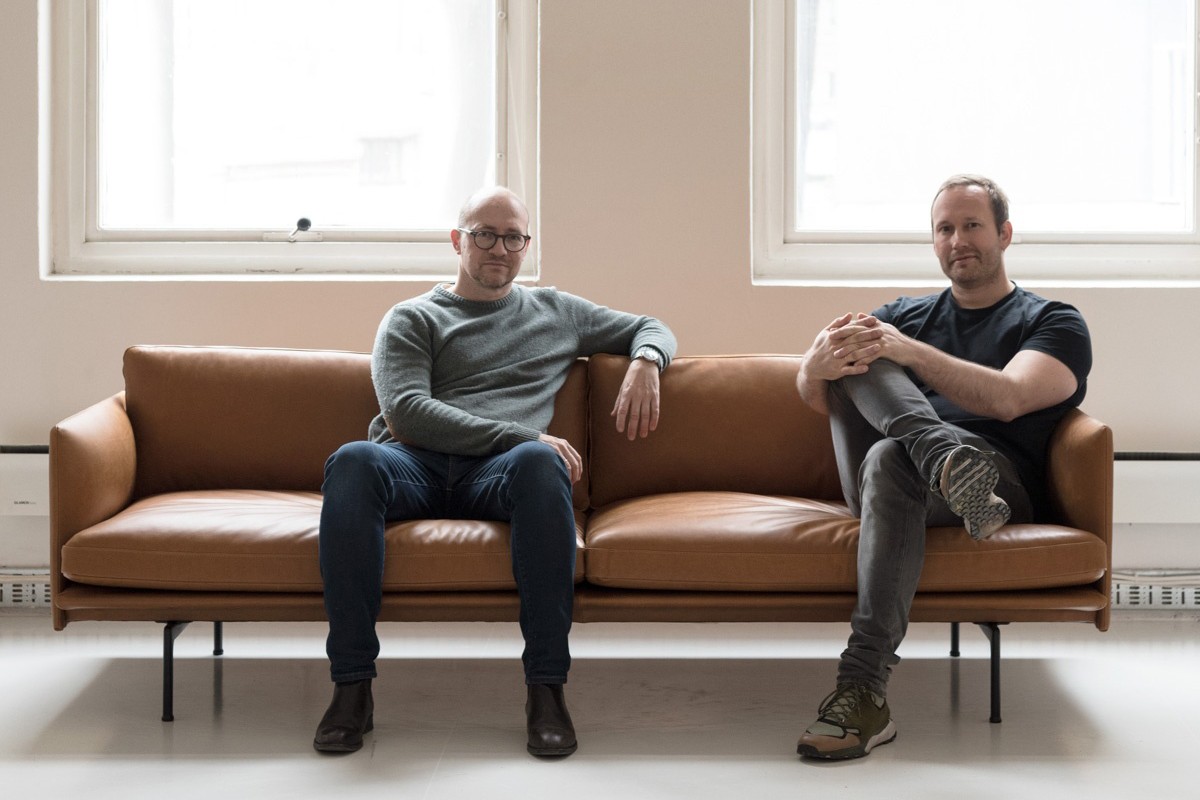
To mark the occasion, Muuto has invited three designers to share their perspectives on the future of Scandinavian design: Rachel Griffin of Earnest Studio, Tom Chung, and Anderssen & Voll.
Their work offers three very different answers to the same question: what should design do for us now?
Design should bring joy
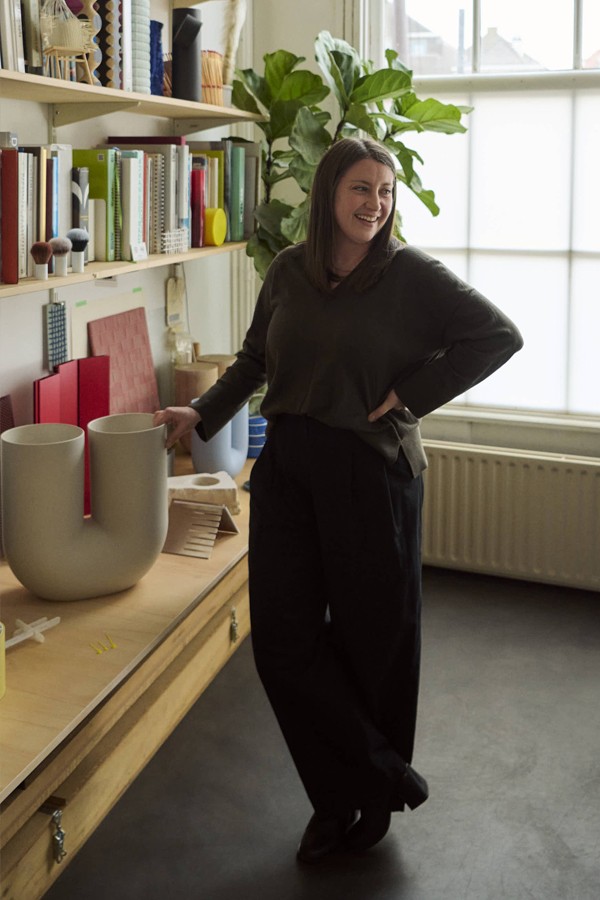
For Rachel Griffin, founder of Earnest Studio, design doesn't have to take itself too seriously.
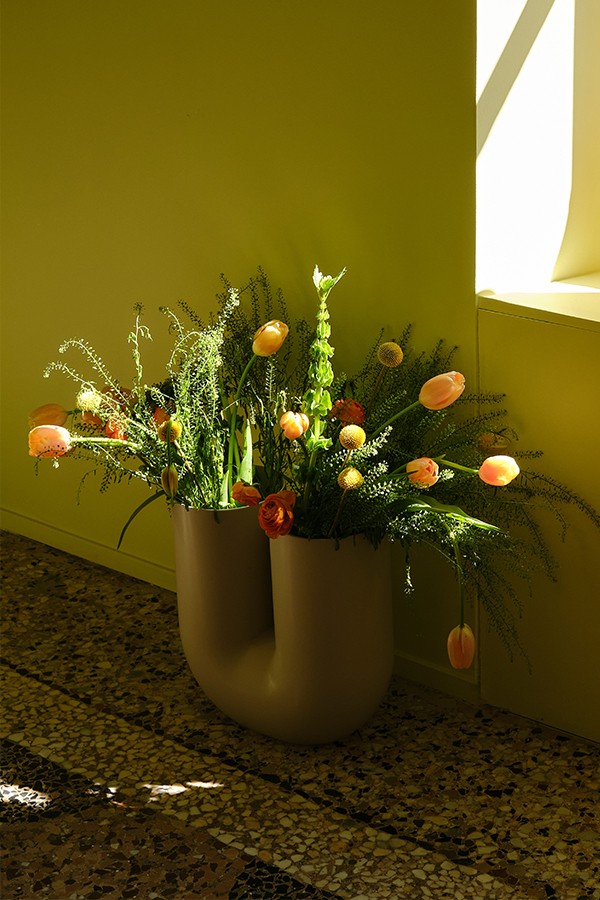
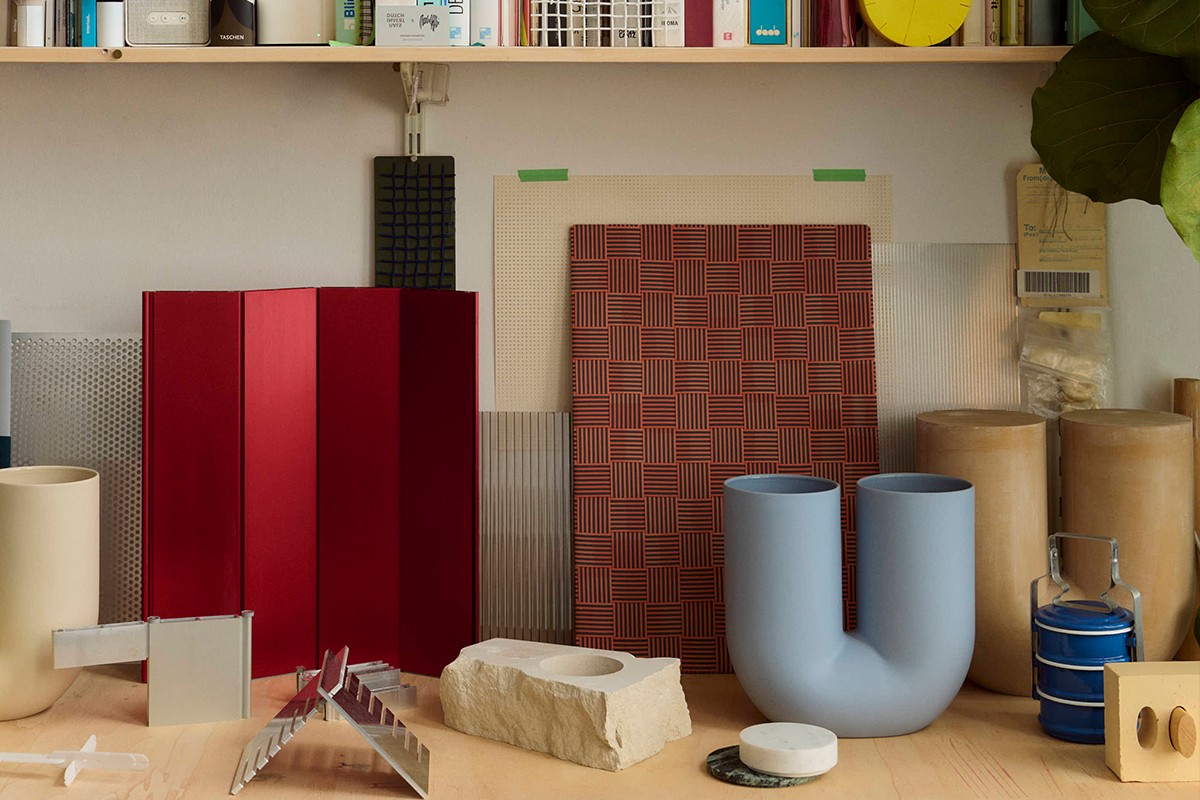
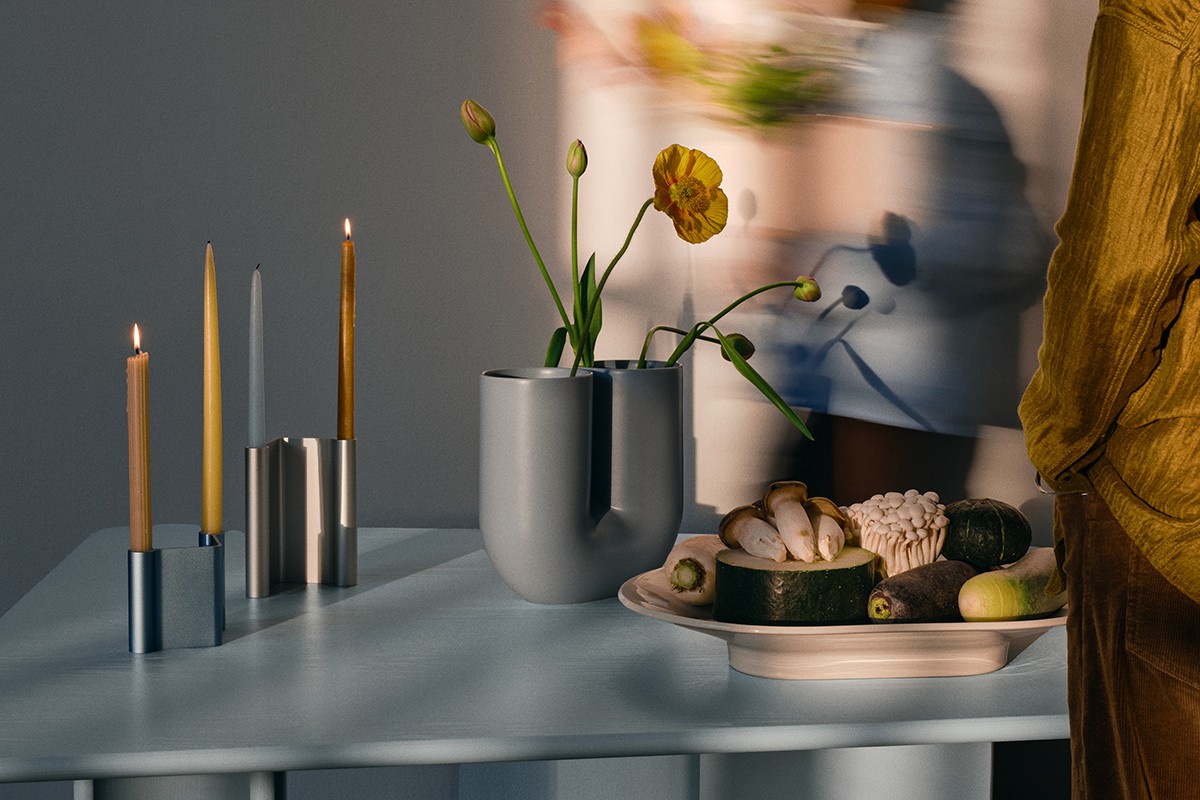
Her approach brings a sense of play and curiosity to everyday objects, creating pieces that feel unexpected without losing their sense of purpose. The Kink Vase, introduced by Muuto in 2020, is a particularly good example — a familiar object transformed through an exaggerated, almost sculptural form. It’s playful, but it also says something important about how we live with things.
Our homes are rarely pristine showrooms. They are personal, lived-in spaces, full of objects that accumulate stories and meaning over time. Griffin’s work embraces that reality, recognising that the things we choose to live with can contribute something emotional as well as functional. There is room for humour. There is room for colour. There is room for an object that simply makes you smile.
For Griffin, this sense of personality is an important part of where Scandinavian design can go next. Rather than being defined by one particular aesthetic, it can become more varied, individual and adaptable — shaped by the people who live with it. And perhaps that is one of the most interesting things about contemporary design: the best pieces don't simply fit into our homes. They become part of them.
Design should adapt
If Rachel Griffin brings playfulness to the conversation, Tom Chung brings movement.
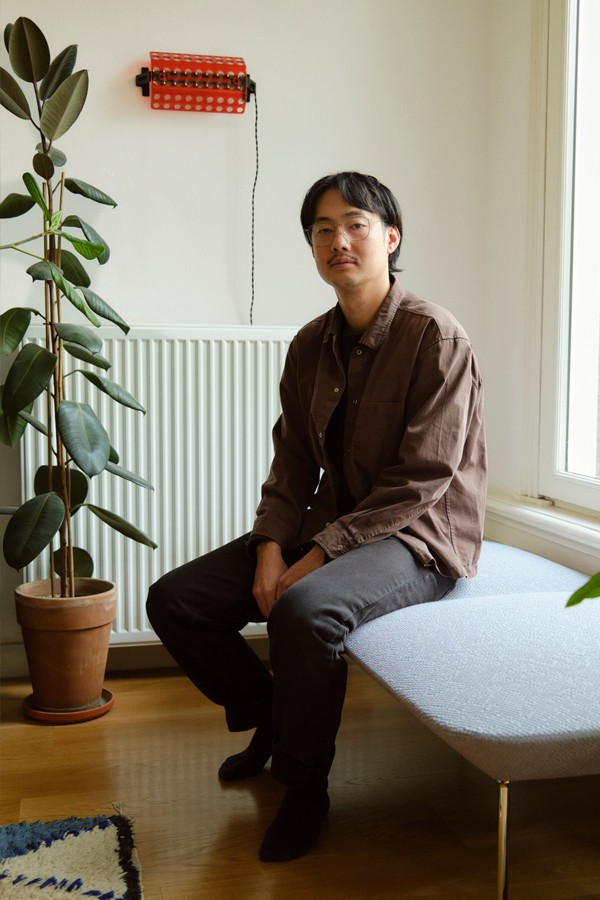
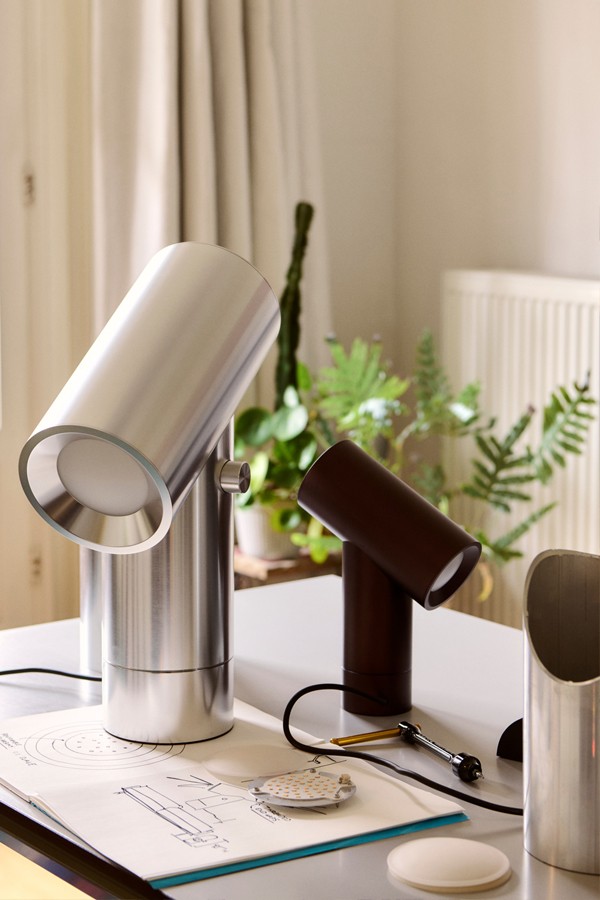
His Beam Lamp for Muuto began life as a prototype at Stockholm Furniture Fair in 2017, exploring a simple idea: what happens when a lamp isn't necessarily tied to one particular place?
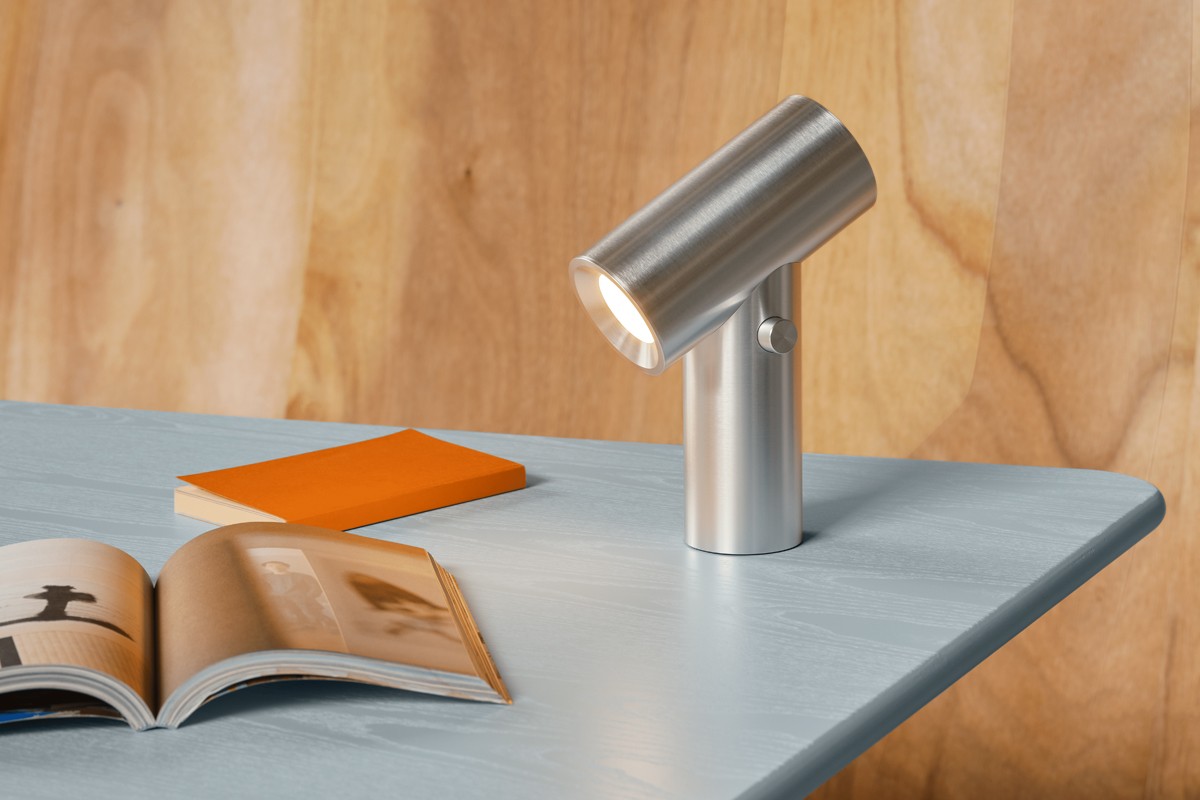
Its portable format reflects a broader shift in the way we use our homes. Rooms are no longer always assigned a single purpose, and the objects within them need to be able to move with us. A light might sit beside a sofa one evening, then move to a dining table or bedside table the next. Beam takes this idea of flexibility and builds it into the design itself.
Over time, the collection has expanded, while considerations around longevity and repairability have become increasingly important. Replaceable components, including the LED and batteries, allow the lamp to evolve rather than simply be replaced. It’s a practical response to a changing world, but there is something more human behind it too.
Good design should work with the rhythms of our lives rather than dictate them. As our homes become more flexible and our routines less predictable, adaptability becomes a quality worth designing for. Chung’s work suggests that the next generation of Scandinavian design doesn't need to be about permanence in the traditional sense. Instead, it can be about creating things that remain useful because they are able to change with us.
Design should make us feel something
For Norwegian designers Anderssen & Voll, the future of Scandinavian design is equally concerned with how a space makes us feel.
Their relationship with Muuto stretches back almost two decades, during which their work has helped introduce a softer, more generous expression of Scandinavian design. Pieces such as the Oslo and Settle collections explore comfort, atmosphere and the emotional qualities of the spaces around us.
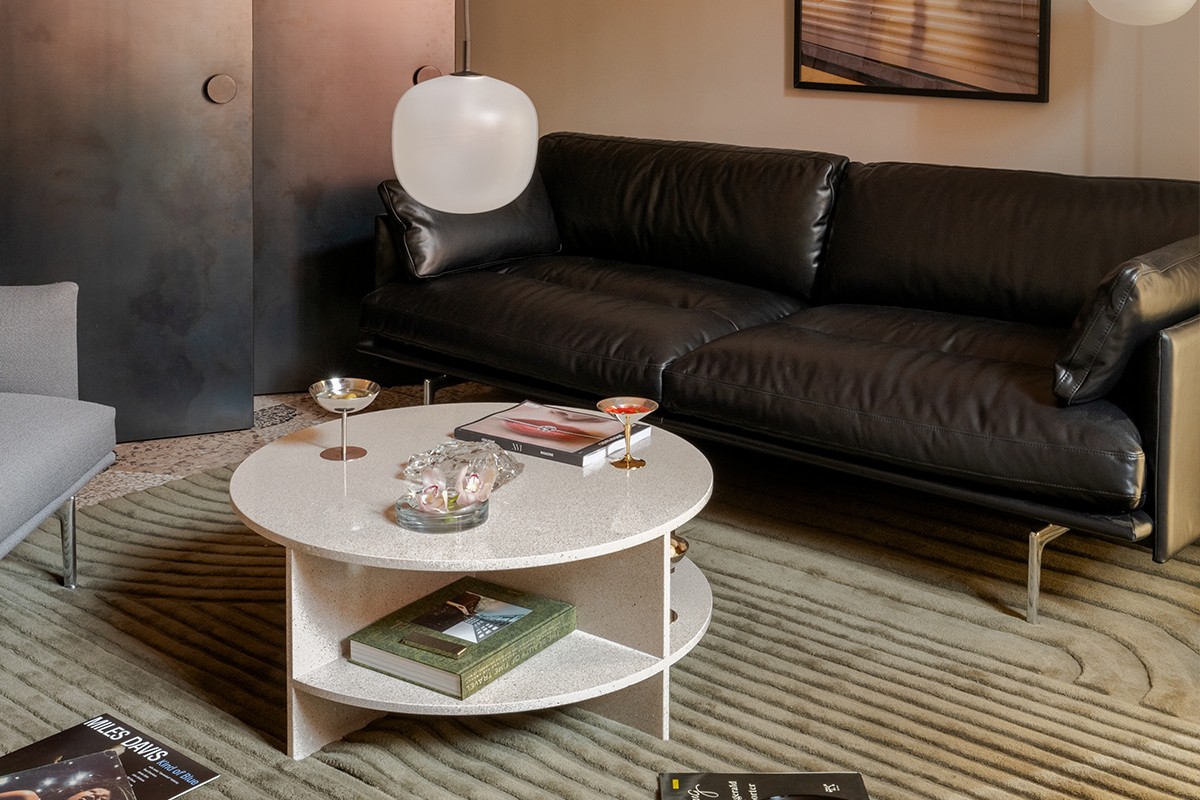
Their Outline Sofa, introduced in 2016, takes a familiar piece of Scandinavian furniture and approaches it from a more architectural perspective. Its clean silhouette gives it a sense of clarity, while its generous proportions and softness make it inviting. That balance is central to Anderssen & Voll's approach: the tension between something precise and something comforting; between a recognisable form and something that feels slightly new. It also reflects a broader understanding of what contemporary furniture needs to do. A sofa, for example, might need to work equally well in a home, a workspace or a hospitality setting. It needs to be comfortable, adaptable and considered — while increasingly taking questions of repairability, materials and circularity into account.
For Anderssen & Voll, Scandinavian design isn't a fixed style to be preserved. It is an ongoing conversation, shaped by new materials, new behaviours and new ways of understanding the spaces we share.
The next chapter
Looking across these three perspectives, there is no single answer to what the future of Scandinavian design should look like. And perhaps that's the point.
Twenty years after Muuto was founded, its approach continues to move beyond the idea that Scandinavian design has to look a certain way. Instead, it is about a way of thinking: starting with everyday life and asking how design can respond to it.
Sometimes that means making something more playful. Sometimes it means making it more flexible. Sometimes it means thinking carefully about comfort, atmosphere or how a piece will live with us over time. The common thread is a willingness to look again.
As technology changes, homes become more multifunctional and our relationship with our surroundings becomes increasingly important, design has an opportunity to become more personal, responsive and thoughtful. Perhaps the next chapter of Scandinavian design isn't about a particular look at all. It's about how design responds to us — our homes, our habits, our changing needs and the moments we create within them.
Twenty years on, Muuto is still looking ahead. And there are plenty of new perspectives still to discover.
Where do you think Scandinavian design is heading? Share your thoughts over on Instagram by tagging us @nest-new.live.
Muuto at 20: Designing for the way we live now
Scandinavian design has always been closely connected to everyday life. Its appeal lies not only in how something looks, but in how it works, how it feels, and how naturally it becomes part of the spaces we inhabit.
But everyday life doesn’t stand still. The way we live, work and spend time at home is constantly changing - and so is design.
Celebrating 20 years
This year, Muuto celebrates 20 years of doing exactly that: looking at Scandinavian design from a fresh perspective. Rather than simply repeating a familiar visual language, the Copenhagen-based brand has spent two decades exploring what it might become next, bringing together function and feeling, simplicity and personality, materiality and atmosphere.
To mark the occasion, Muuto has invited three designers to share their perspectives on the future of Scandinavian design: Rachel Griffin of Earnest Studio, Tom Chung, and Anderssen & Voll.
Their work offers three very different answers to the same question: what should design do for us now?
Design should bring joy
For Rachel Griffin, founder of Earnest Studio, design doesn't have to take itself too seriously.
Her approach brings a sense of play and curiosity to everyday objects, creating pieces that feel unexpected without losing their sense of purpose. The Kink Vase, introduced by Muuto in 2020, is a particularly good example — a familiar object transformed through an exaggerated, almost sculptural form. It’s playful, but it also says something important about how we live with things.
Our homes are rarely pristine showrooms. They are personal, lived-in spaces, full of objects that accumulate stories and meaning over time. Griffin’s work embraces that reality, recognising that the things we choose to live with can contribute something emotional as well as functional. There is room for humour. There is room for colour. There is room for an object that simply makes you smile.
For Griffin, this sense of personality is an important part of where Scandinavian design can go next. Rather than being defined by one particular aesthetic, it can become more varied, individual and adaptable — shaped by the people who live with it. And perhaps that is one of the most interesting things about contemporary design: the best pieces don't simply fit into our homes. They become part of them.
Design should adapt
If Rachel Griffin brings playfulness to the conversation, Tom Chung brings movement.
His Beam Lamp for Muuto began life as a prototype at Stockholm Furniture Fair in 2017, exploring a simple idea: what happens when a lamp isn't necessarily tied to one particular place?
Its portable format reflects a broader shift in the way we use our homes. Rooms are no longer always assigned a single purpose, and the objects within them need to be able to move with us. A light might sit beside a sofa one evening, then move to a dining table or bedside table the next. Beam takes this idea of flexibility and builds it into the design itself.
Over time, the collection has expanded, while considerations around longevity and repairability have become increasingly important. Replaceable components, including the LED and batteries, allow the lamp to evolve rather than simply be replaced. It’s a practical response to a changing world, but there is something more human behind it too.
Good design should work with the rhythms of our lives rather than dictate them. As our homes become more flexible and our routines less predictable, adaptability becomes a quality worth designing for. Chung’s work suggests that the next generation of Scandinavian design doesn't need to be about permanence in the traditional sense. Instead, it can be about creating things that remain useful because they are able to change with us.
Design should make us feel something
For Norwegian designers Anderssen & Voll, the future of Scandinavian design is equally concerned with how a space makes us feel.
Their relationship with Muuto stretches back almost two decades, during which their work has helped introduce a softer, more generous expression of Scandinavian design. Pieces such as the Oslo and Settle collections explore comfort, atmosphere and the emotional qualities of the spaces around us.
Their Outline Sofa, introduced in 2016, takes a familiar piece of Scandinavian furniture and approaches it from a more architectural perspective. Its clean silhouette gives it a sense of clarity, while its generous proportions and softness make it inviting. That balance is central to Anderssen & Voll's approach: the tension between something precise and something comforting; between a recognisable form and something that feels slightly new. It also reflects a broader understanding of what contemporary furniture needs to do. A sofa, for example, might need to work equally well in a home, a workspace or a hospitality setting. It needs to be comfortable, adaptable and considered — while increasingly taking questions of repairability, materials and circularity into account.
For Anderssen & Voll, Scandinavian design isn't a fixed style to be preserved. It is an ongoing conversation, shaped by new materials, new behaviours and new ways of understanding the spaces we share.
The next chapter
Looking across these three perspectives, there is no single answer to what the future of Scandinavian design should look like. And perhaps that's the point.
Twenty years after Muuto was founded, its approach continues to move beyond the idea that Scandinavian design has to look a certain way. Instead, it is about a way of thinking: starting with everyday life and asking how design can respond to it.
Sometimes that means making something more playful. Sometimes it means making it more flexible. Sometimes it means thinking carefully about comfort, atmosphere or how a piece will live with us over time. The common thread is a willingness to look again.
As technology changes, homes become more multifunctional and our relationship with our surroundings becomes increasingly important, design has an opportunity to become more personal, responsive and thoughtful. Perhaps the next chapter of Scandinavian design isn't about a particular look at all. It's about how design responds to us — our homes, our habits, our changing needs and the moments we create within them.
Twenty years on, Muuto is still looking ahead. And there are plenty of new perspectives still to discover.
Where do you think Scandinavian design is heading? Share your thoughts over on Instagram by tagging us @nest-new.live.

